

Loading Bay Key Exchange System Case Study: Mixed Fleet Safety
BACKGROUND
OVERVIEW
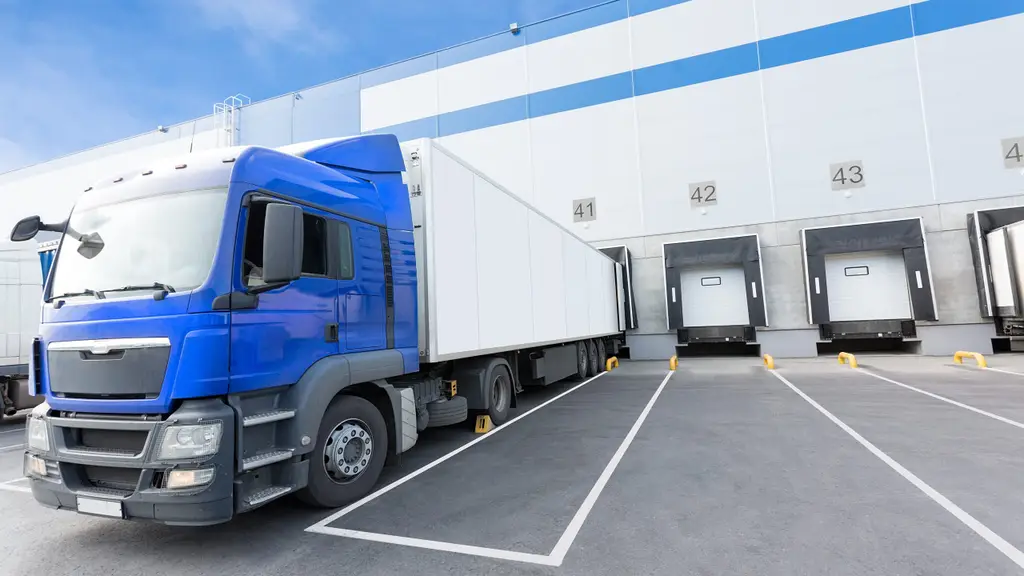
The parcel carrier suffered a fatality at one of its sites in recent years, where an operative was crushed between a loading bay and an incumbent vehicle. In response, a dedicated safety team was formed to identify a system capable of catering for their varying fleet. Castell surveyed several sites and proposed two pilot locations: Coventry (7 bays, doors) and Newark (25 bays, guard chains).
On both sites, the same solutions were deployed: Susie locks for articulated trailers, Swap Body Locks for demount vehicles, and driver key handover for rigid vehicles. In each case, the trapped key is exchanged at a key box to release the door or chain barrier key for the corresponding bay — ensuring the vehicle cannot leave until loading is fully complete.
VEHICLE TYPE
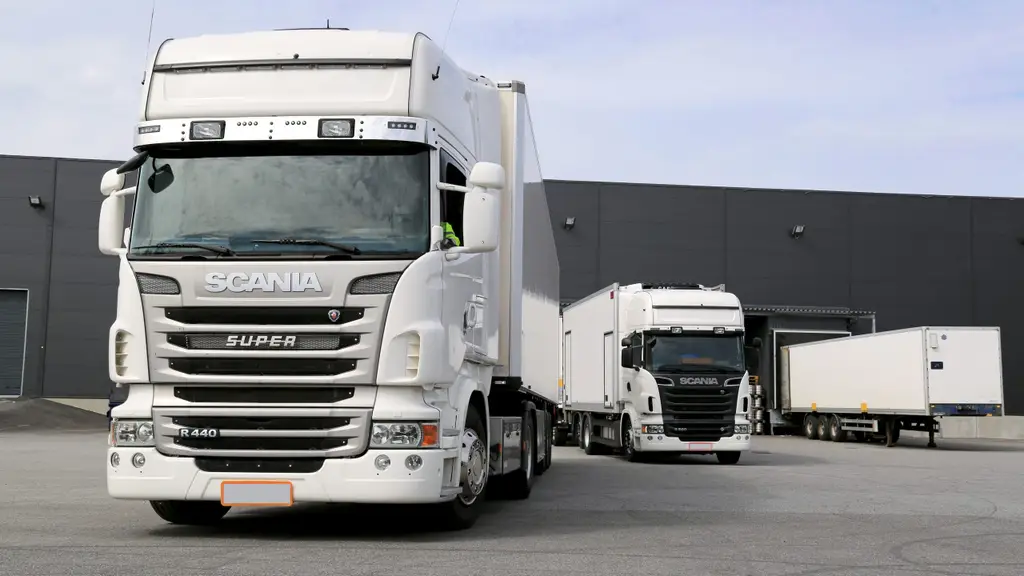
ARTICULATED TRAILER
- The vehicle/trailer reverses onto the allocated loading bay on a green traffic light.
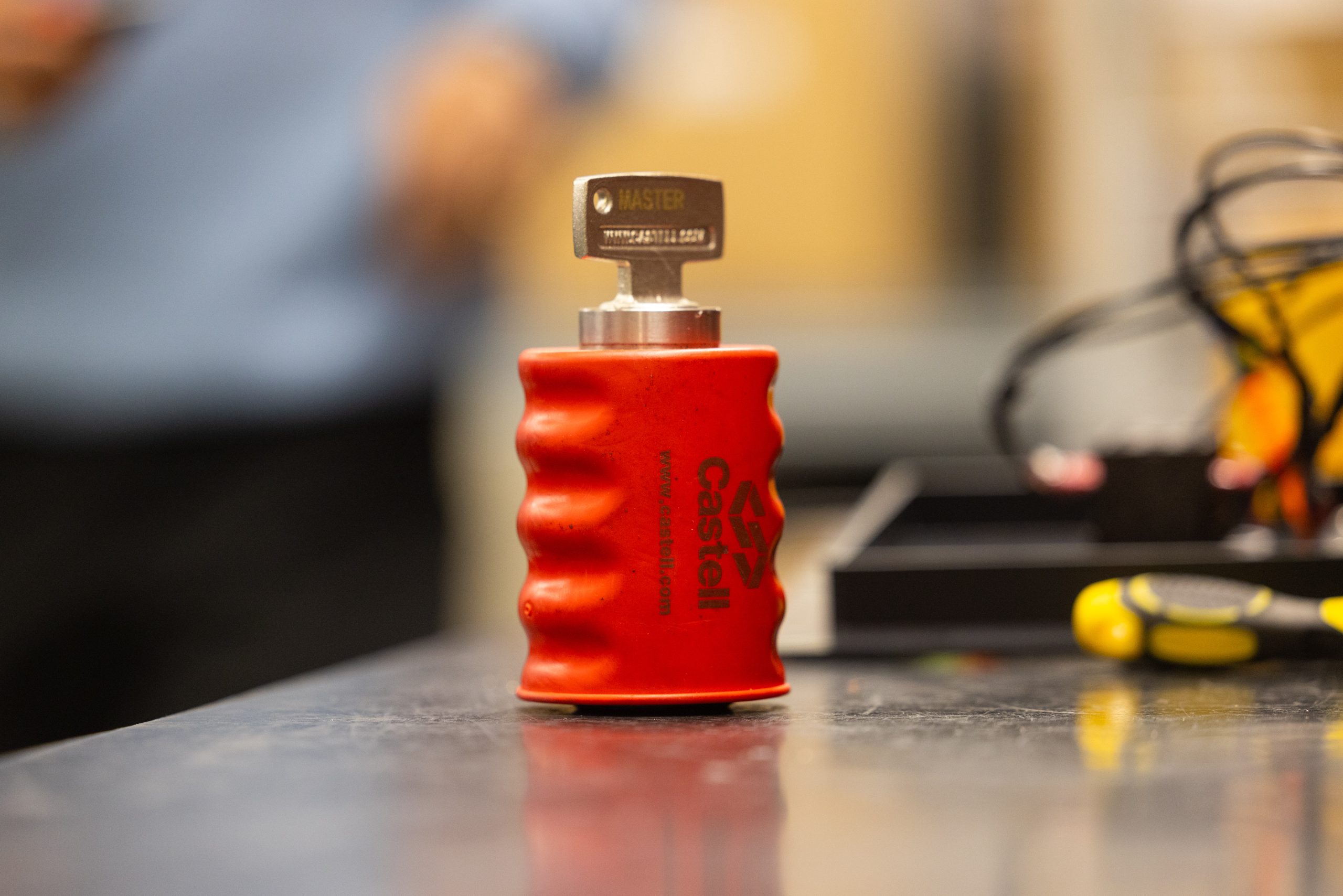
- The driver removes the emergency airline and fits the Susie lock over the airline, which in turn releases the trapped key.
VEHICLE TYPE
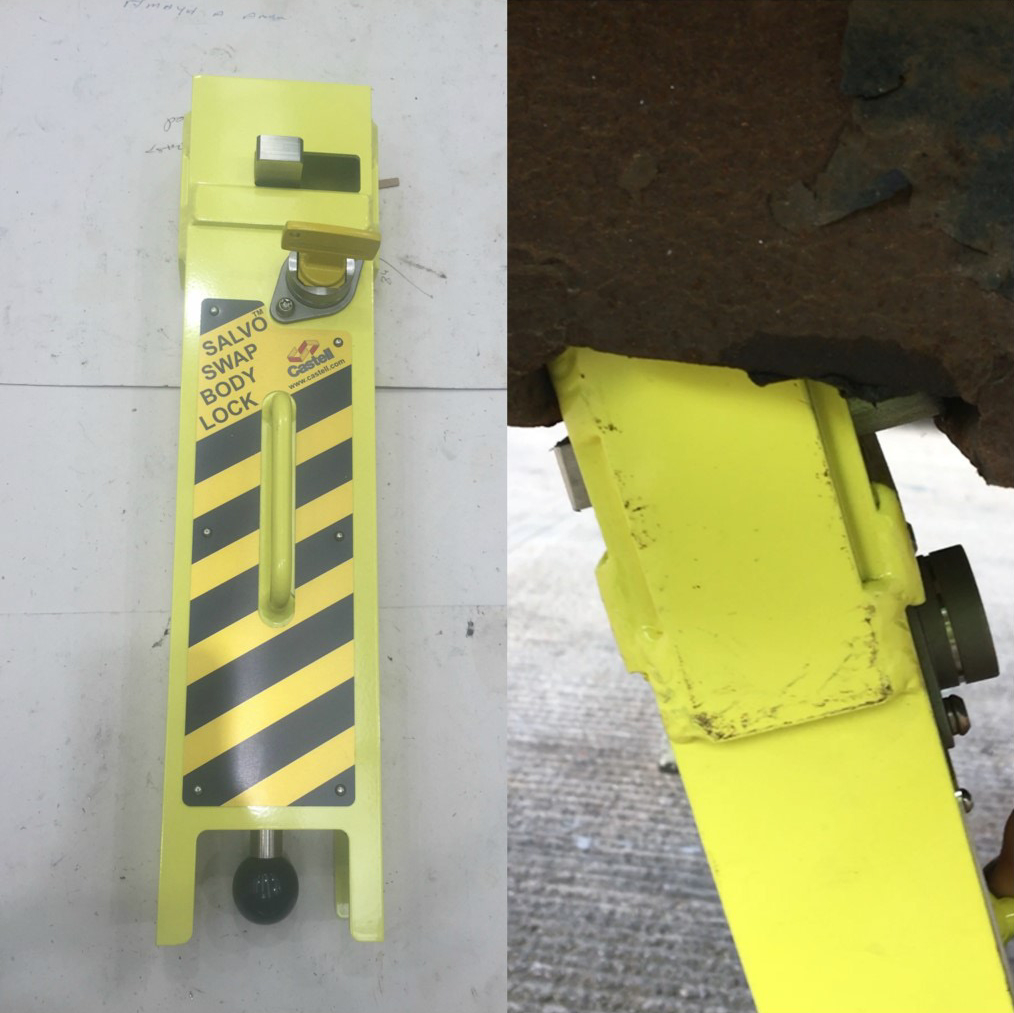
SWAP BODY BOX VEHICLE
- The Swap Body Lock is attached to the demount/swap body box on the coupling point.
- The round handle is turned to engage the lock and the key is removed to lock it in place.
When the relevant lock (Susie or Swap Body Lock) has been attached to the vehicle by the shunter/driver, the trapped key (yellow) is released and handed over to the traffic clerk, supervisor or manager.
VEHICLE TYPE
RIGID VEHICLE
In the case of rigid vehicles (7.5t and vans), the driver hands their ignition key over to the clerk, supervisor or manager — this key serves the same role as the trapped yellow key for the next step of the key exchange.
STEP BY STEP
THE PROCESS
Once the yellow key (or driver ignition key) is handed to the clerk, the full key exchange sequence begins at the central key exchange box.
Each colour-coded key gates the next: the yellow releases the red, the red releases the blue, and the blue opens the door or chain barrier of the matching bay. The steps below describe the complete cycle.

The vehicle reverses onto the allocated loading bay on a green traffic light. For articulated trailers: the driver removes the emergency airline and fits the Susie lock over it, releasing the trapped yellow key. For swap body vehicles: the Swap Body Lock is attached to the coupling point, the handle turned, and the key removed. For rigid vehicles: the driver hands their ignition key to the traffic clerk or supervisor.

The trapped yellow key (or driver’s ignition key for rigid vehicles) is handed to the traffic clerk, supervisor, or manager.

The yellow key is affixed to the wire loop permanently attached to the red key in the key exchange box.

When the red key is operated, it releases the blue key, which can then be used to open the corresponding bay.

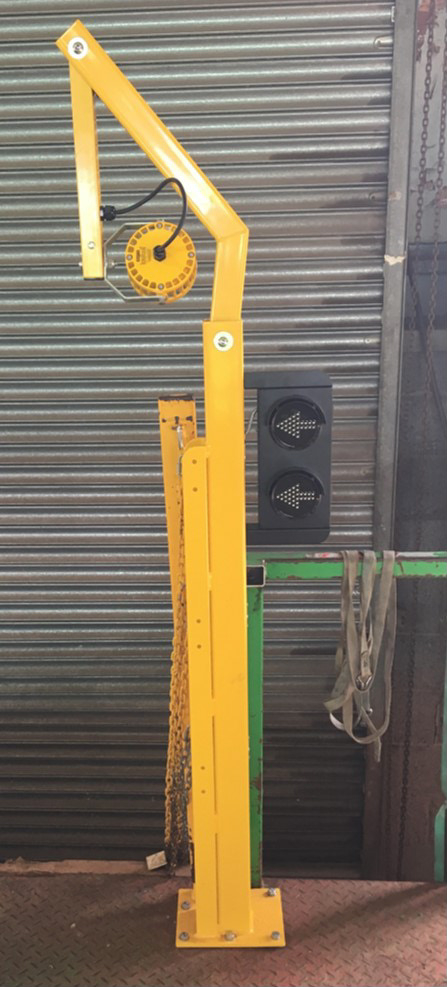
The blue key is inserted into the Castell lock on the door or gate to release the chain, enabling the door or chain barrier to be opened. The traffic lights change from green (external) to red, and from red (internal) to green.

The dock/bay lighting is activated once the key is entered and turned in the Castell lock (an on/off switch is available for daylight hours).

The vehicle can now be loaded or offloaded safely. When loading or unloading is complete, the door or chain barrier is closed and locked.

The entire process is reversed to return all keys to their original positions, allowing the safe departure of the vehicle or swap body box.
WHAT’S NEW
BENEFITS OF THE NEW DESIGN

CONTACT SALES
Need a key-exchange system for your loading bays?
Speak to our team about how Castell’s trapped-key interlocks can scale across mixed fleets – articulated trailers, swap body vehicles, and rigid vehicles – on both door and chain-barrier sites.