
Safety by Design in Saudi Arabia: Insights from the Safety by Design Forum
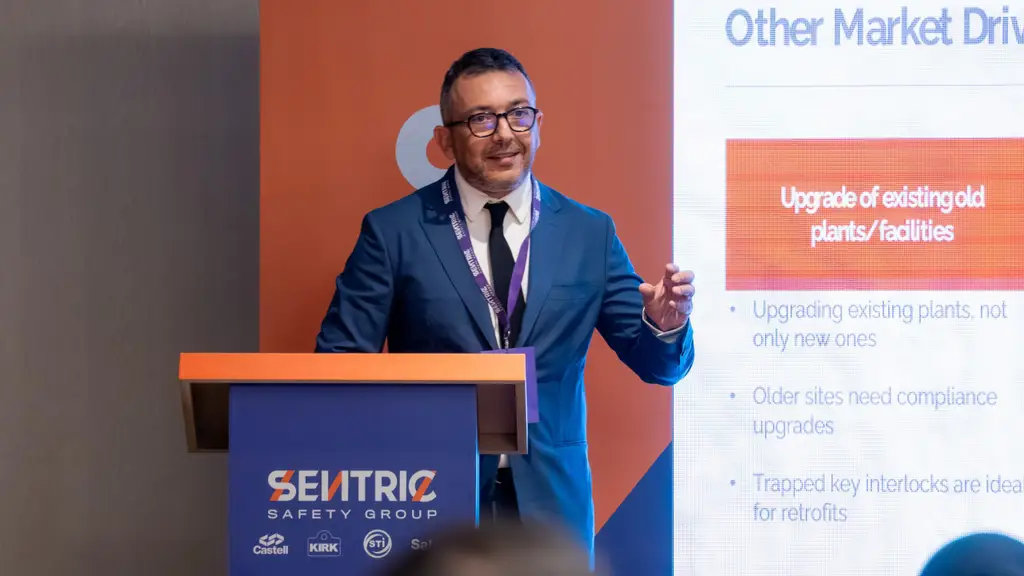
As Saudi Arabia accelerates its industrial and infrastructure transformation, the way safety is designed into industrial systems is coming under increasing scrutiny. Across energy, manufacturing and large‑scale infrastructure projects, the complexity of assets is growing rapidly and with it, the potential consequences of unsafe design decisions.
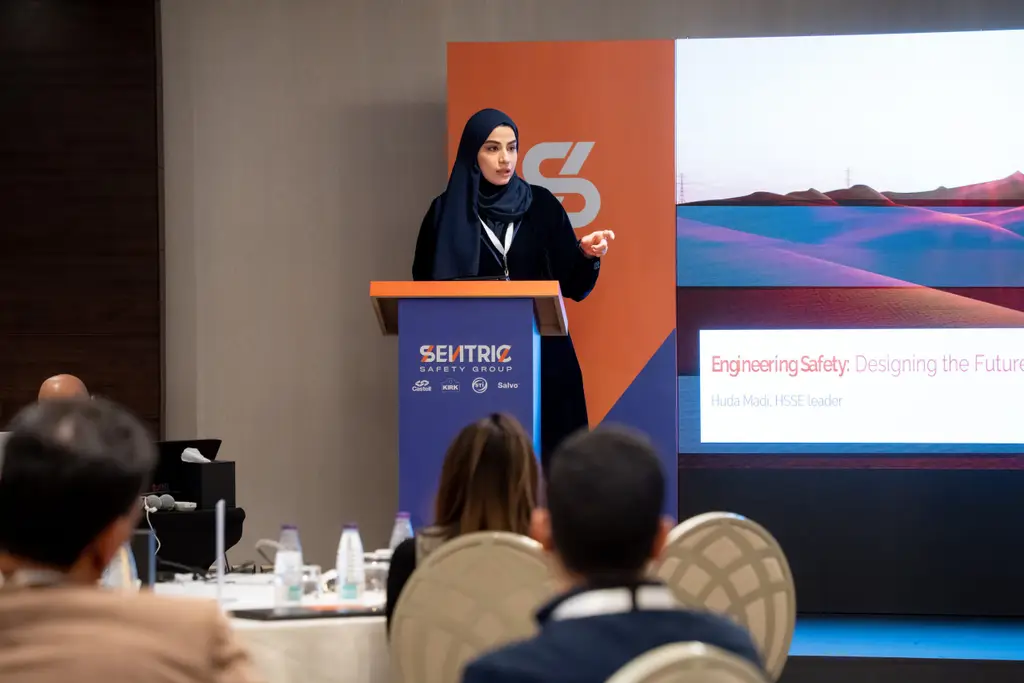
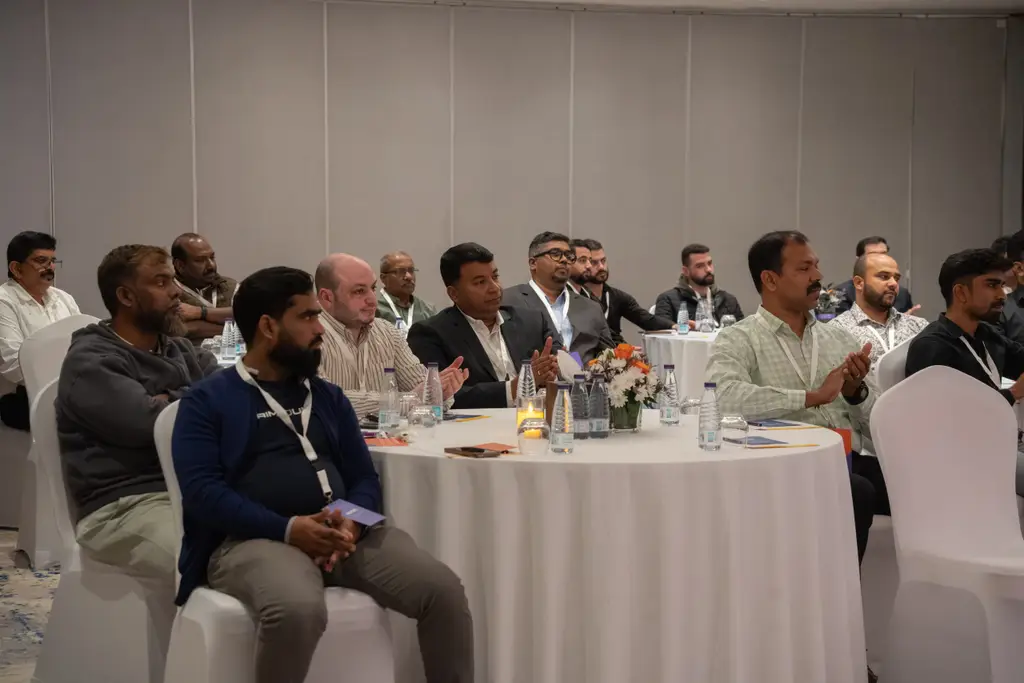
It was against this backdrop that we brought together industry leaders, engineers and safety specialists in Saudi Arabia for our Safety by Design Forum. We established the forum as a platform for open and practical discussion about how safety can be addressed much earlier in the lifecycle of industrial assets, long before commissioning or operation begins.
Rather than focusing on incidents or compliance in isolation, the conversation centred on a more fundamental question: how can risk be designed out of systems from the start?
A changing safety landscape in Saudi Arabia
Discussions throughout the forum acknowledged that Saudi Arabia’s safety landscape is evolving alongside the Kingdom’s rapid industrial growth. Large‑scale developments, new industrial zones and advanced infrastructure projects are increasing the density of high-energy environments and the frequency of maintenance and intervention activities.
At the same time, greater automation and localised manufacturing are changing how people interact with complex systems. As operations become faster and more interconnected, traditional safety approaches that rely heavily on procedures, signage or individual behaviour are increasingly exposed to human error.
In this context, safety is no longer viewed solely as a regulatory requirement. It is becoming a critical design consideration, one that directly influences reliability, productivity and the long‑term resilience of industrial operations.
From managing risk to engineering it out
A central theme of the forum was the distinction between managing risk and limiting it through design.
Many safety incidents do not occur because procedures are absent, but because complex systems place unrealistic demands on human memory, timing or judgement. Speakers highlighted that some of the most robust safety strategies are those that reduce reliance on human intervention, using engineering controls designed to reduce the likelihood of unsafe states occurring.
By embedding safety logic into the structure of equipment and systems, design-led approaches can help reinforce process controls, including during maintenance, under pressure or when conditions change unexpectedly.
This shift from procedural dependence to engineered protection resonated strongly across the discussions.
Designing for safety across the full asset lifecycle
Safety by Design was presented as an ongoing process rather than a single activity undertaken during specification or procurement. The forum explored how decisions made early in the design phase continue to influence safety outcomes throughout the entire asset lifecycle.
From power generation and transmission through to industrial processing and end‑use environments, consistent safety logic helps protect people during installation, operation, maintenance and future upgrades. When isolation, access control and sequencing are designed coherently across systems, safety can be better maintained as assets expand or evolve.
Participants discussed how this lifecycle perspective is particularly relevant in Saudi Arabia, where long‑term industrial investment and infrastructure development demand solutions that remain safe, reliable and compliant over decades, not just at the point of delivery.
Supporting industrial progress through safer design
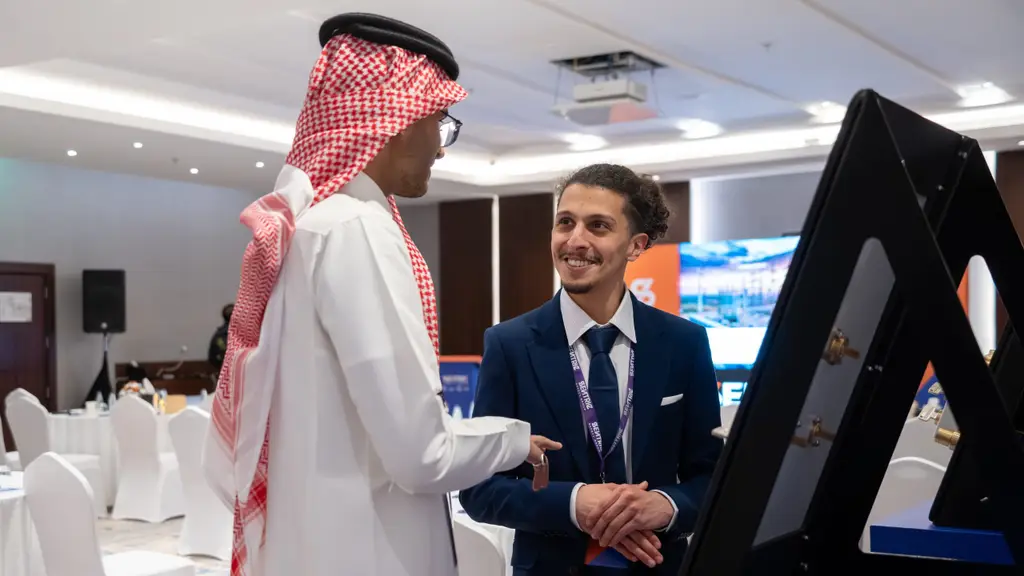
The forum also explored the role that designers, consultants, EPCs and OEMs play in shaping safety outcomes. In many projects, the most influential safety decisions are made early during concept design, system architecture and specification when changes are easiest and most cost‑effective to implement.
As Saudi Arabia continues to advance its industrial strategy, embedding safety at this stage supports not only regulatory compliance, but also operational consistency, workforce protection and business continuity.
Throughout the discussions, Safety by Design was positioned not as a constraint on progress, but as an enabler. By reducing unplanned downtime, minimising exposure to hazardous activities and creating clearer operational boundaries, well‑designed safety systems support both performance and people.
Looking to the future of Safety in Saudi Arabia
The Safety by Design Forum reinforced a shared understanding among participants: effective safety cannot be retrofitted or added as an afterthought. It must be engineered into systems from the very beginning.
By bringing together market insight, engineering expertise and local context, the forum highlighted how design‑led safety approaches can play a vital role in supporting safer, more resilient industrial growth in Saudi Arabia.
While the forum has concluded, the conversation continues. Industry stakeholders are now focused on translating design intent into measurable, long-term safety outcomes through ongoing collaboration.
Discuss your Safety Requirements
If you are currently working on or planning, a project involving switchgear protection, trapped key interlocking, or access control sequencing, We’d be happy to discuss your safety requirements and explore how we can support you.
Please get in touch with our Middle East Sales Manager, Rachid Rachid, via the contact details below:
Rachid Rachid
Email: [email protected]
Mobile: 966549888953